The problem: SLAs measure IT performance, not employee experience
SLAs are useful. They tell you whether your process is working:
- response times
- resolution times
- uptime
- compliance
But employees don’t experience this; they experience the friction.
- The laptop that works… except when it doesn't
- The VPN that’s technically “available,” but slow enough to kill focus
- The ticket that’s “waiting for customer” while the customer is stuck
This is why a service desk can hit targets and still feel like a blocker to the business. You can be fast on paper and still waste hours of someone’s day.
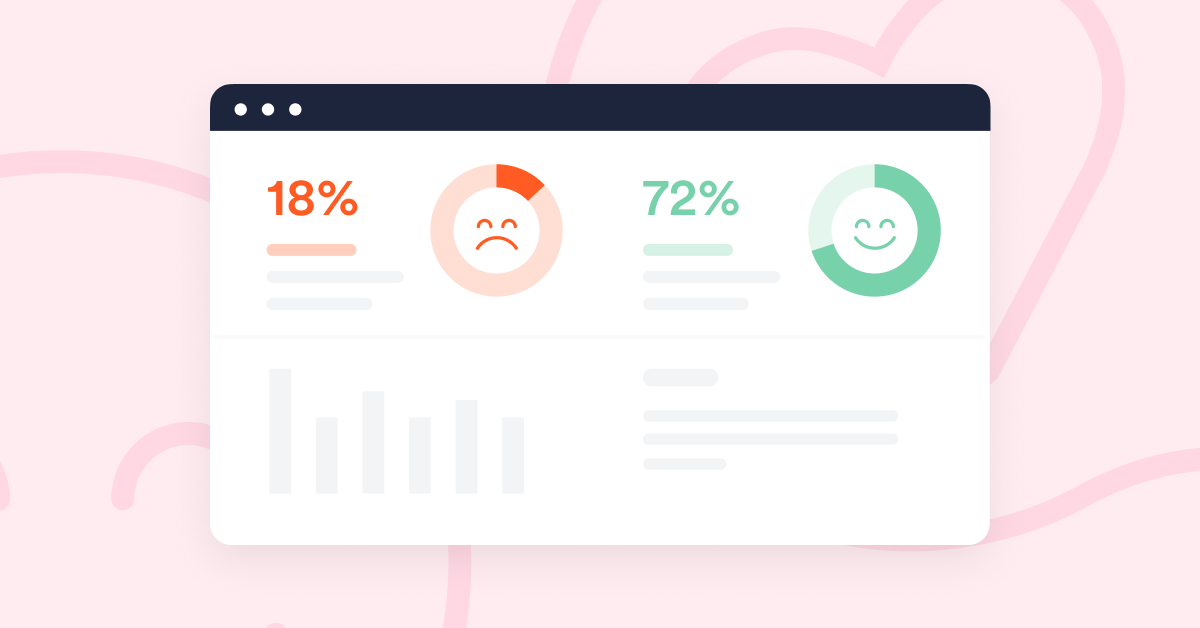
And that’s where frustration grows: leadership sees green, employees feel red.
Why it keeps happening (even in mature IT organizations)
Three traps create the watermelon effect:
1) Averages hide the pain
2) The clock doesn’t track lost productivity
3) Your metrics answer “what happened,” not “how it landed”
Operational data is great at telling you what. It rarely tells you what it cost people.
When you can’t show the human impact, service reviews turn into debates:
- “Is this data accurate?”
- “That’s not what we’re hearing.”
- “Maybe it’s just a few loud voices.”
And you leave the meeting with… more slides, not more clarity.
The solution: add the missing signal: experience + lost time
To fix the watermelon effect, you don’t throw away SLAs.
You add a signal that represents reality:
- Happiness (how IT felt)
- Lost Time (how much work time was actually lost)
That combination turns service quality into something leadership understands: productivity impact.
Now, instead of asking “Are we hitting SLAs?” you can answer:
- Where are people most frustrated?
- Which services waste the most time?
- What should we fix first?
- Is it getting better or worse over time?
What changes when you measure the right thing
-
You stop guessing where frustration lives
-
You can pinpoint the red zones, even when SLAs are green.
-
You can prove value in business language
-
You move from “reporting” to “prioritizing”
-
You improve the right things, faster
-
Instead of broad changes, you target what’s actually driving friction—by service, channel, region, and employee group.
One number can’t carry this conversation. CSAT isn’t wrong. It’s just not enough.