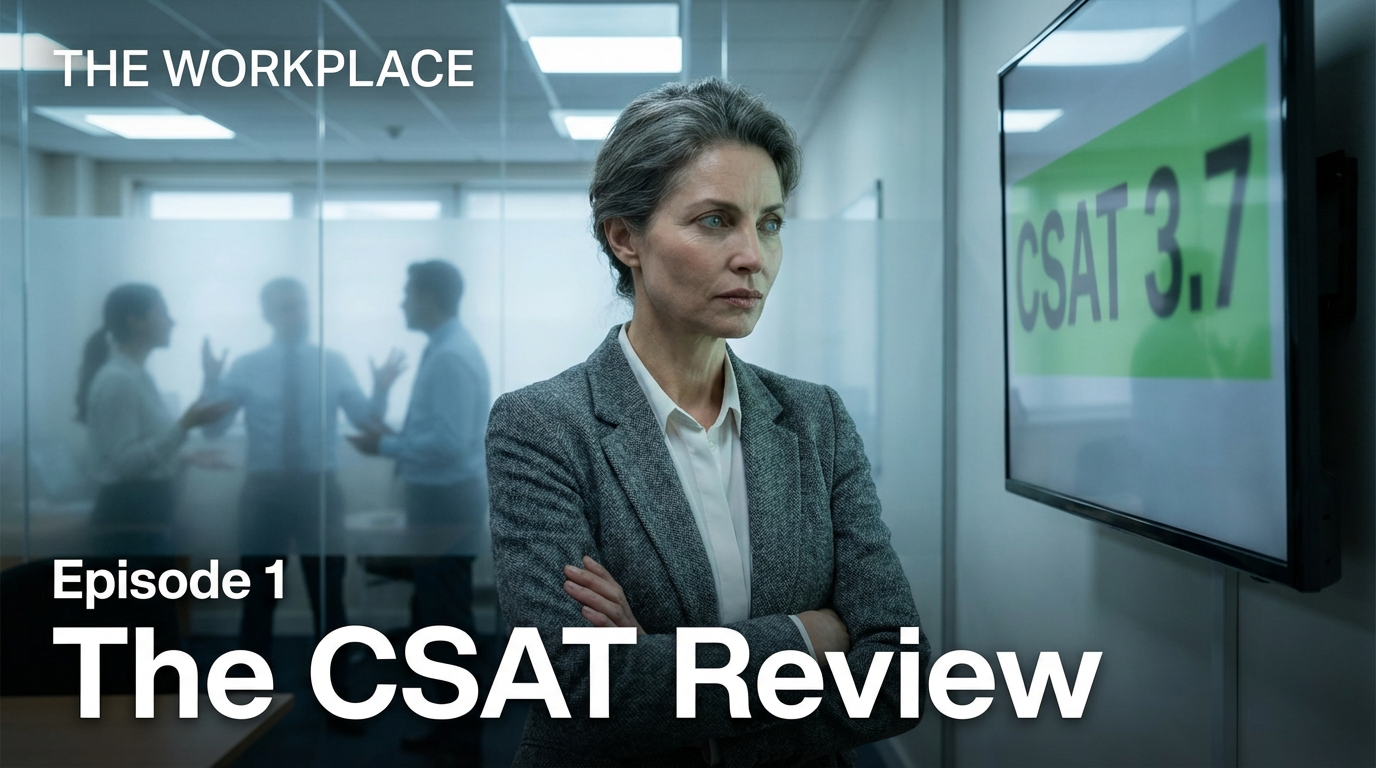
Meet the cast
One unreliable score, every angle on it. Experience does not belong to one role: it runs across strategy, services, operations and process.
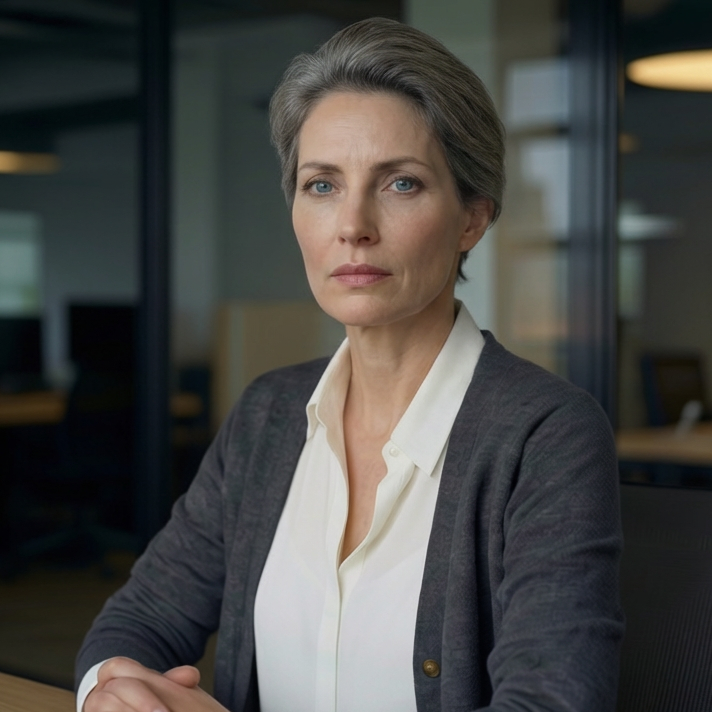
Rachel Morgan
IT Service Delivery Manager
Professional calm, privately buffering.
“I'm not saying the dashboard is wrong. I'm just saying it has never had to explain itself to Linda from Finance.”
More about Rachel
Rachel is the person everyone turns to when they want to know how IT services are really doing, usually five minutes before a leadership meeting and with three contradictory dashboards open. Her gift is translating chaos into a service story people can actually understand. Her curse is that once she sees the truth, she can no longer unsee it.

Mike Carter
IT Service Owner
If it cannot be measured, he is suspicious of it. If it can, he wants to know who defined the metric.
“People say, 'The service is technically working.' That's nice. A vending machine is technically working when it eats your money and gives you nothing.”
More about Mike
Mike owns IT services end-to-end, which is a corporate way of saying that if something breaks, underperforms, confuses users, costs too much, or appears in a complaint from the business, it somehow becomes his problem. He is often the first to spot that a 'successful' IT initiative has only succeeded in moving the frustration somewhere else.

Lukas Moretti
IT Service Desk Manager
Frontline leader, queue whisperer, part-time therapist for agents and users.
“My agents are the face of IT. Which is unfortunate, because sometimes the rest of IT has made that face very tired.”
More about Lukas
Lukas runs the service desk: ticket queues, staffing, escalations, channel performance, agent morale, and the occasional user who opens a high-priority incident because the printer 'looked weird.' He wants better data not because he loves dashboards, but because he wants to prove where the real pain is.
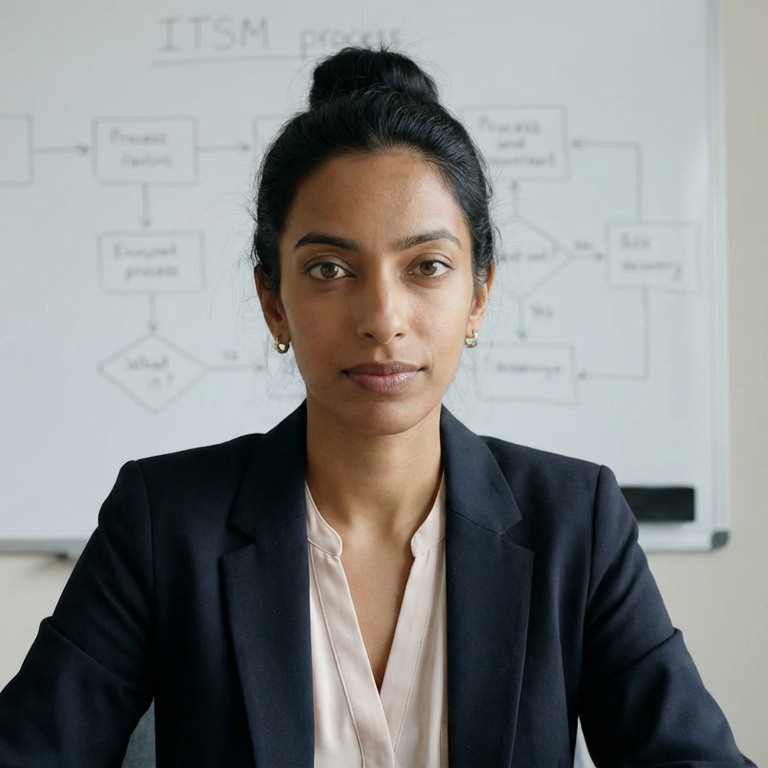
Priya Menon
ITSM Process Owner
Process designer, governance guardian, enemy of unnecessary handoffs.
“People say they want to automate the process. I usually ask, 'Have we tried understanding it first?' That tends to ruin the mood.”
More about Priya
Priya owns the ITSM processes: Incident, Request, Change, Problem, Knowledge, and several others that people only remember when something has gone wrong. Her greatest fear is automation being used to make a bad workflow fail faster, but with more confidence.
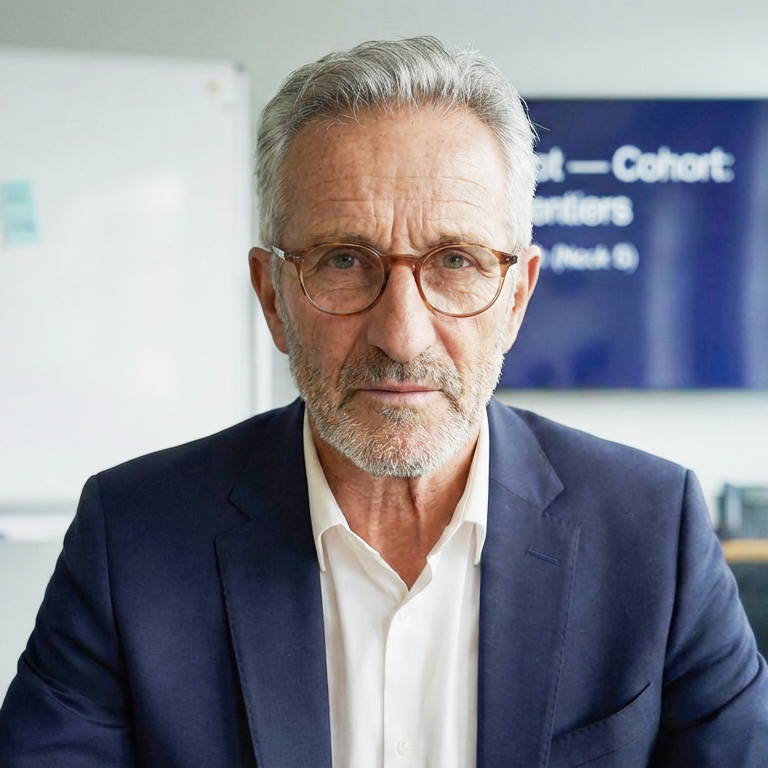
Chris Reynolds
CIO / IT Leader
Executive sponsor of difficult questions.
“I asked if we were improving the employee experience. The team said the ticket volume was down. So I asked again.”
More about Chris
Chris wants IT to be seen as a trusted business partner, not just the department people remember when something breaks. He is calm, strategic, and dangerously good at asking simple questions that expose massive organizational confusion. He does not need more reports. He needs a signal the business can believe.

Alex
Employee / End-user
Human sensor. Just trying to do the job.
“I didn't complain. I opened a ticket, followed the link, updated the ticket, got reassigned, joined a Teams call, and then used my phone as a hotspot. So technically, yes, resolved.”
More about Alex
Alex represents the person IT is ultimately supposed to help. Not a stakeholder. Not a dashboard segment. A person with a job, a deadline, and a laptop that has chosen today to become philosophical. In the mockumentary, Alex often delivers the clearest truth in the calmest voice.